A Day with Lan | @slowhandtea visits Chinese Tea Farms 2026
May 26th 2026
Tea has a complicated history. It doesn’t help that in the process of studying tea, nearly every answer leaves one with more questions. Which in a sense is good news; it’s the questions that are valuable, the right questions.
Tea culture, processing, drinking, though complicated, can be broken down into a set distinct values. Through these values one might discern a logic. One beholden of both the intellectual and the somatic.
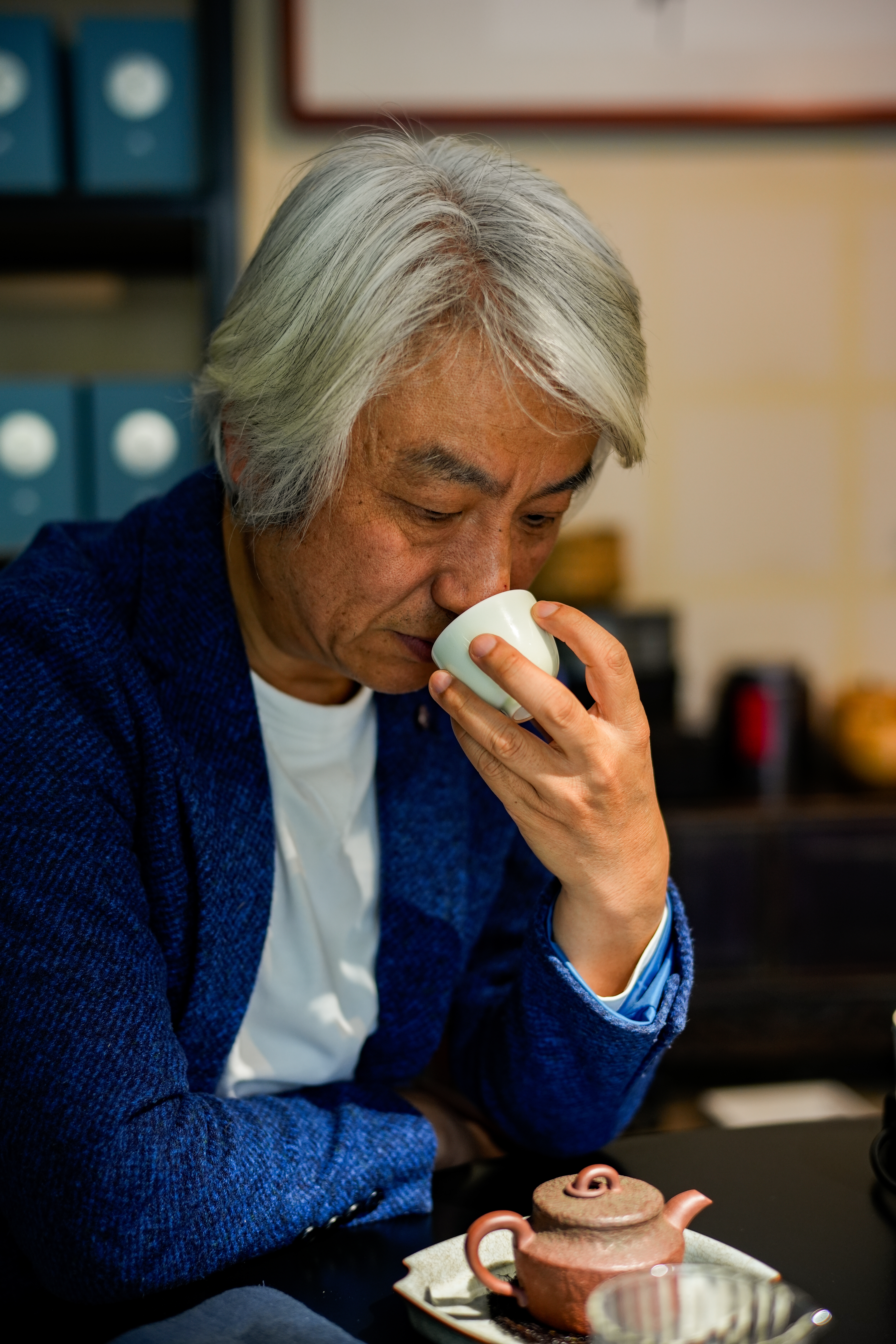
When I met Master Lan for the first time and he shared his teas with me, I understood that here was someone whose values produced a logic of excellent tea. Not necessarily popular by mainstream Chinese standards, but for those who share a deep appreciation for well grown, well made tea, it is pure gold.
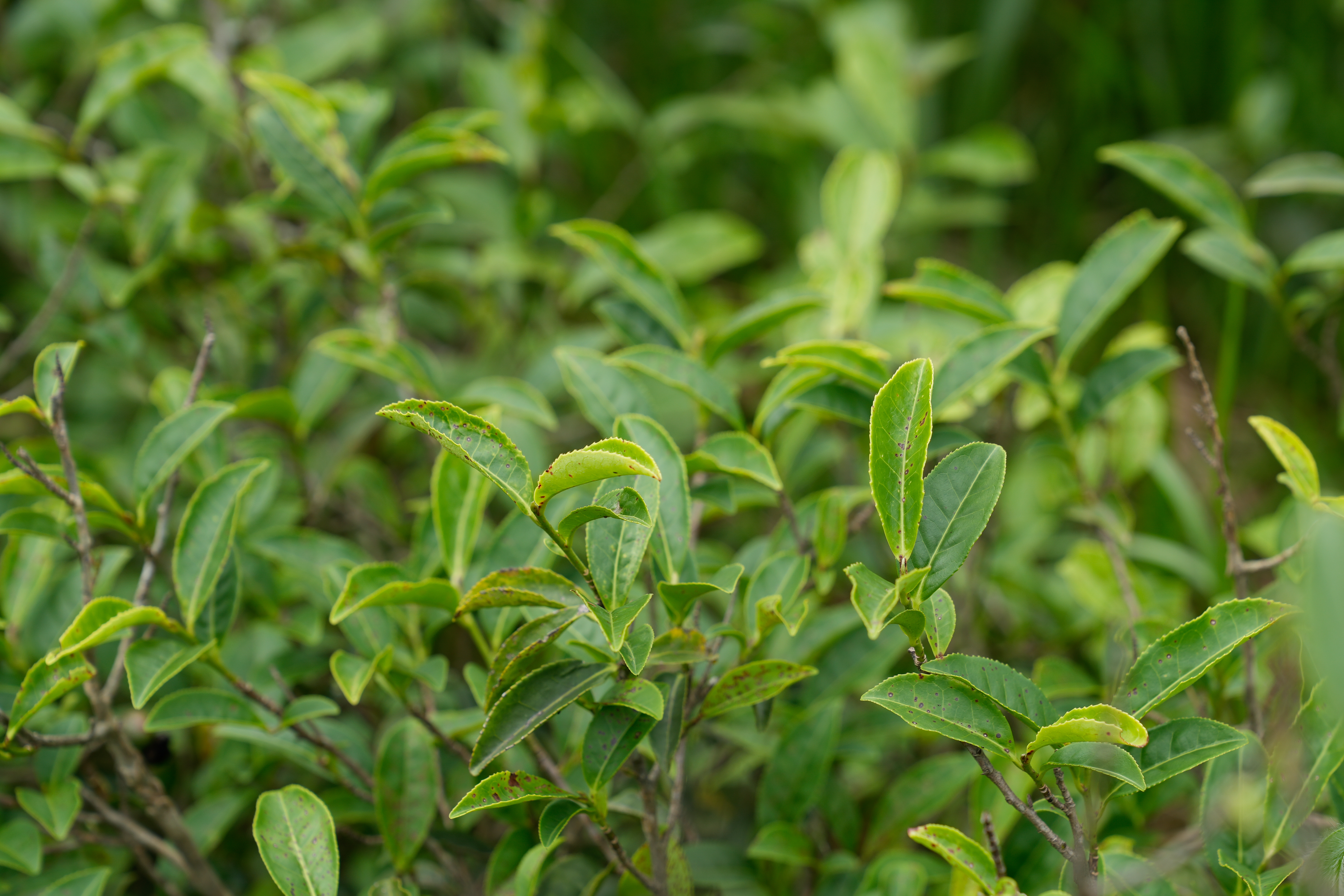
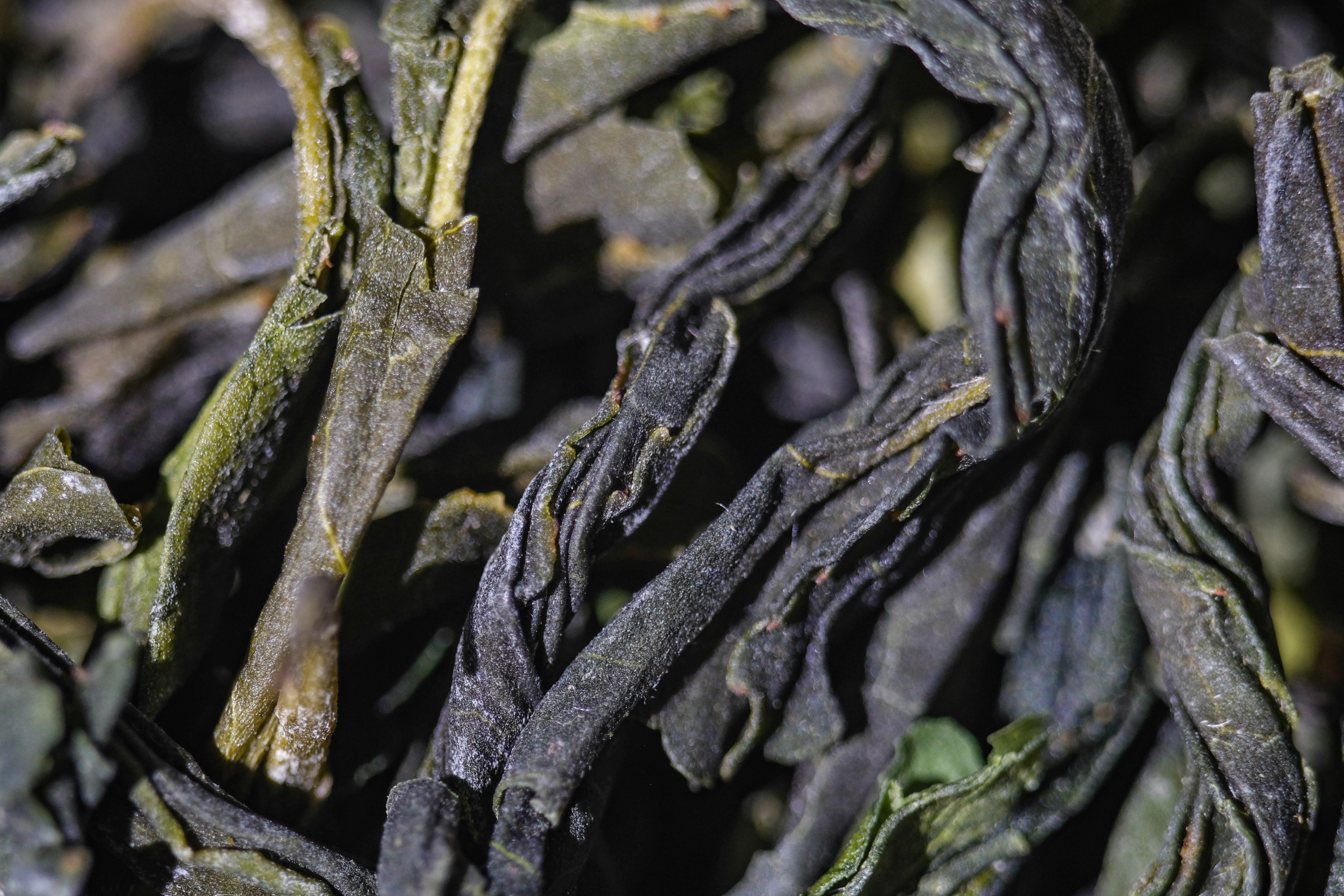
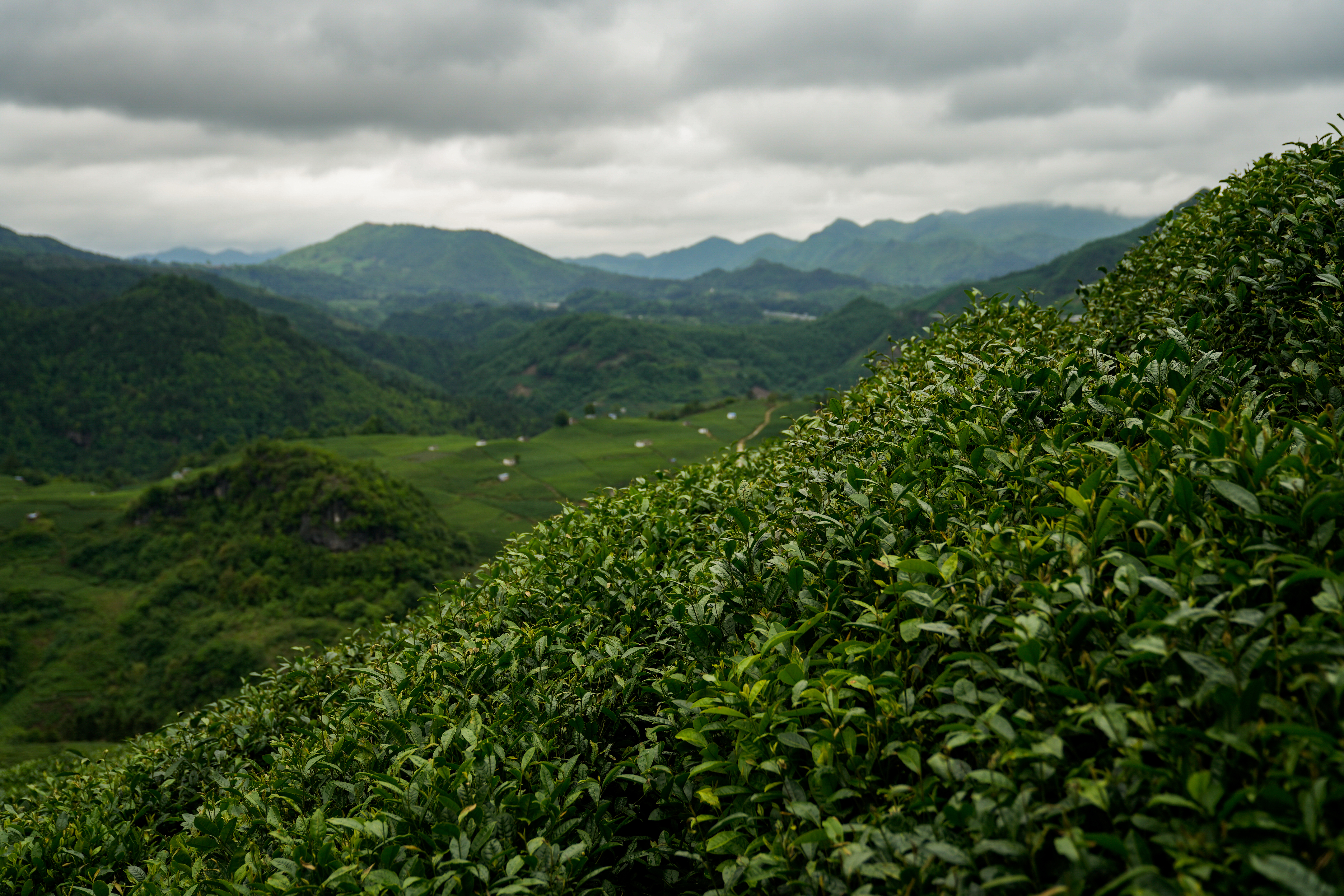
This year, we bought a batch of the Masters favorite green tea. It comes from several tea plots in the Yunwu Mountain range in Guizhou that he oversees for his relatives. These plots are distinguished by the fact that the Yunwu tea gardens are the only gardens in Guizhou that were specifically designated for personal use by an Emperor. There is even an intact, ancient stele commemorating the arrangement.
When I visited Lan a few weeks ago and asked to visit the tea gardens, he agreed enthusiastically, almost surprised that I would be interested. “Friday?”, he asked, and we planned the day, travel to Yunwu, eat lunch, tour the range, visit his gardens, and of course, have tea.
Friday came around and we set out from Guiyang into the mountains and forests of greater Guizhou. Rainy season was in full effect and we were originally a bit trepidatious given the high chance of rainfall that weekend, luckily we needn’t have worried. Even so the landscape of Guizhou is gorgeous and filled with lush greenery, mist and clouds, and huge rolling hills, my eyes left the scenery only to speak with Lan. An hour later and we were in Yunwu village, eating a rather fresh tasting lunch of cabbage, bitter melon, tofu, and tomato soup.
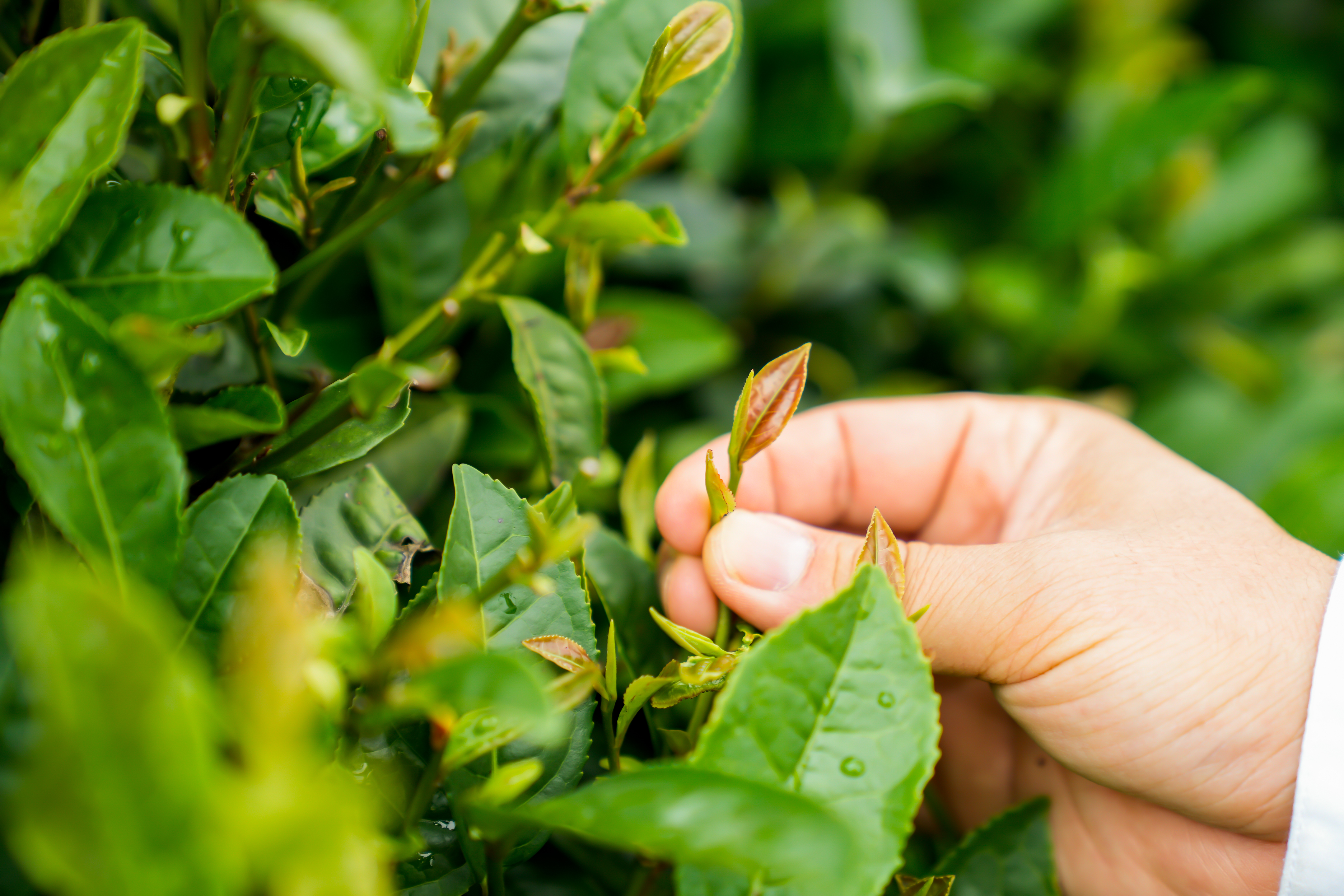
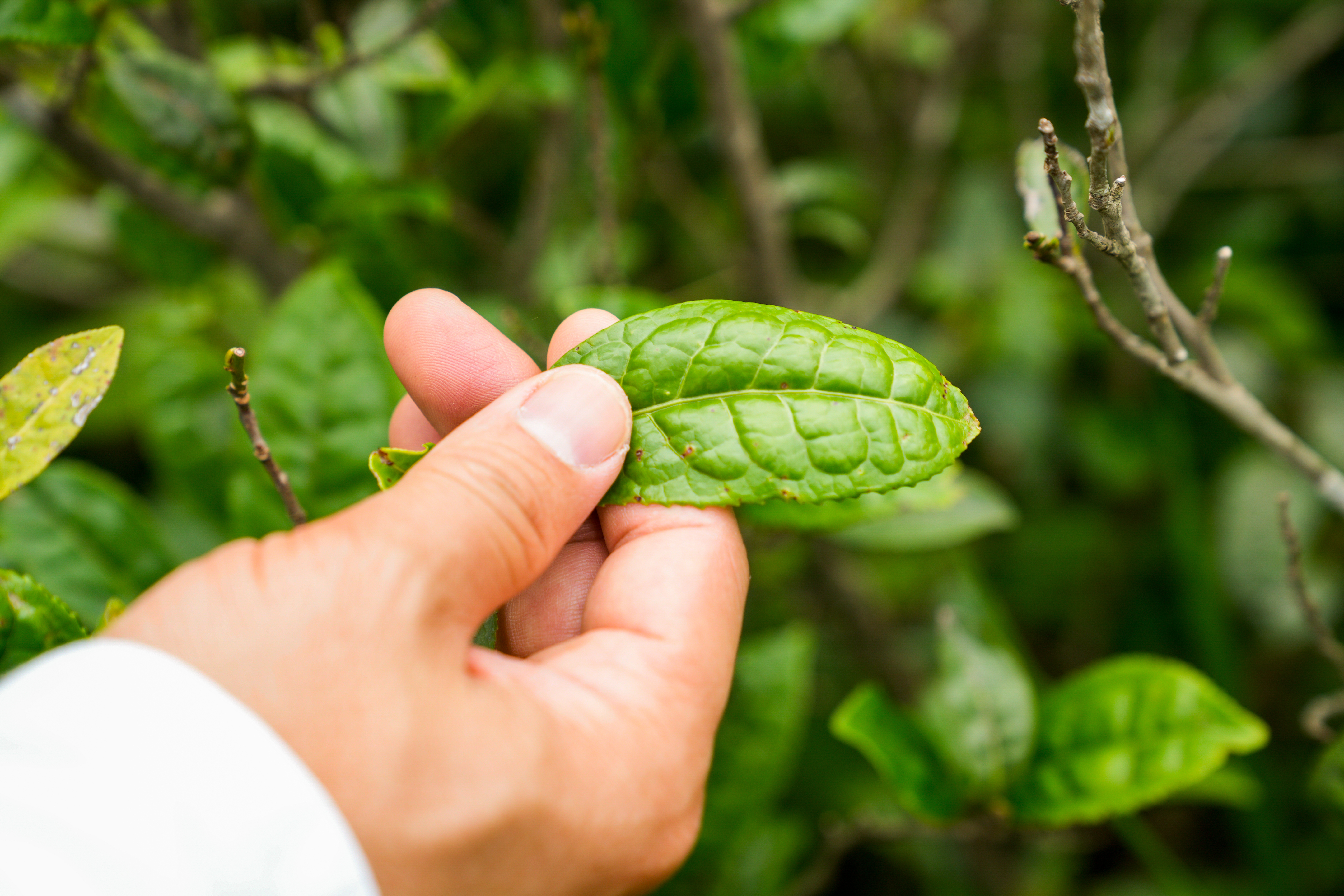
Agriculture dominates the landscape of Yunwu. While driving into the mountains, I saw rice patties, corn patches, rapeseed, cabbage, and tobacco (a well known export from the region, headed primarily for Yunnan). We visited the Imperial stele and surveyed the surrounding tea. Lan explained that while his tea and much of the original tea plants on the mountain were of the Bird King variety, the vast majority of them at present are a fast growing, medium to large leafed Fujianese variety that is common in Fuding. “They can make good tea, but they are not as hardy or as sweet as the Bird King variety”, Lan explained.
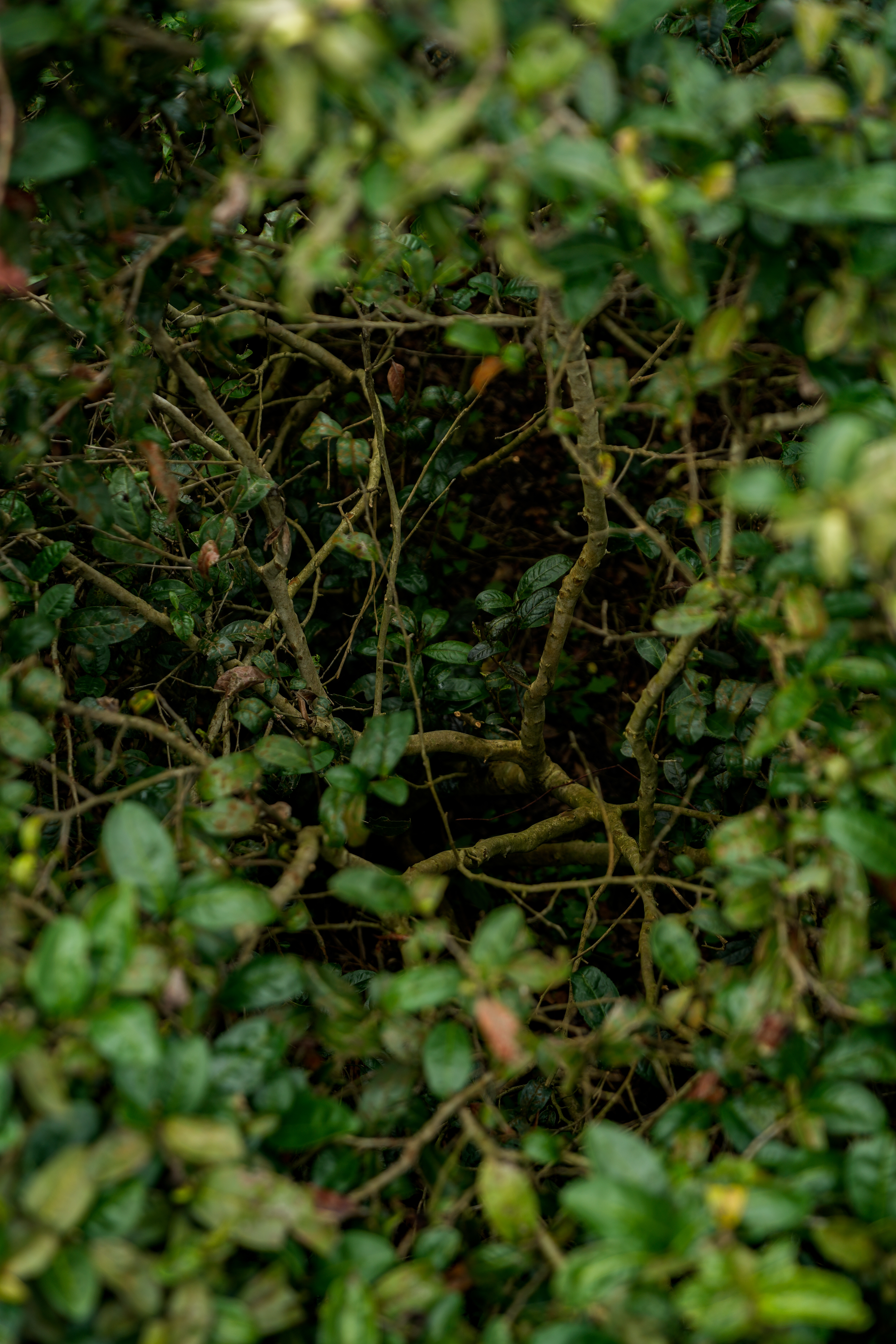
Finally we arrived at Lans tea patch, and I almost laughed out loud at the difference in appearance between Lans patch and the surrounding patches. I knew that Lan valued ecological farming practices but seeing what he meant by ecological made a real impact. Where the surrounding patches were Fujianese plants kept in neat rows, his patch - all small leave Bird King trees - grew for all intents and purposes, completely wild. The difference was like cornrows to an Afro.
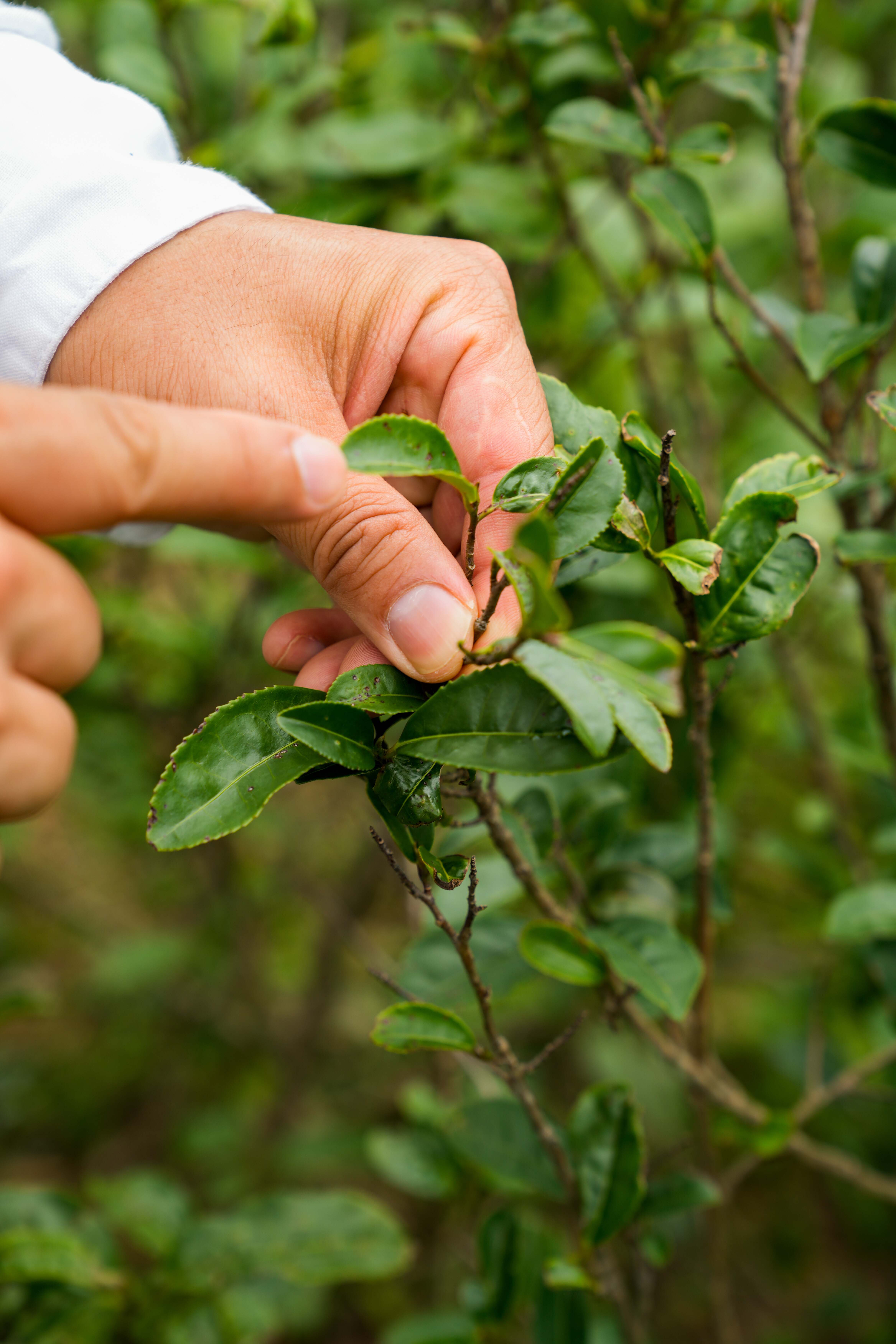
Lan took us through his patch and around the edges to see the differences up close. “The Fujianese trees are good plants, they are grown organically. You can see they have cut the trees back to keep them at human height for easy picking. They are planted very close together and use layers of fallen tea leaves to fertilize and prevent sunlight from encouraging weeds. That can be good. But it is a human way, my tea is guided by natures way.” Lan proclaimed, “my tea is planted with space for air to circulate in between the plants stalks, this encourages moss and lichen to grow wild on the plants which adds character and flavor to the leaves. As for weeds, our thinking is, if the tea cannot compete with the weeds and companion plants that grow around it, then it must not be good tea.”
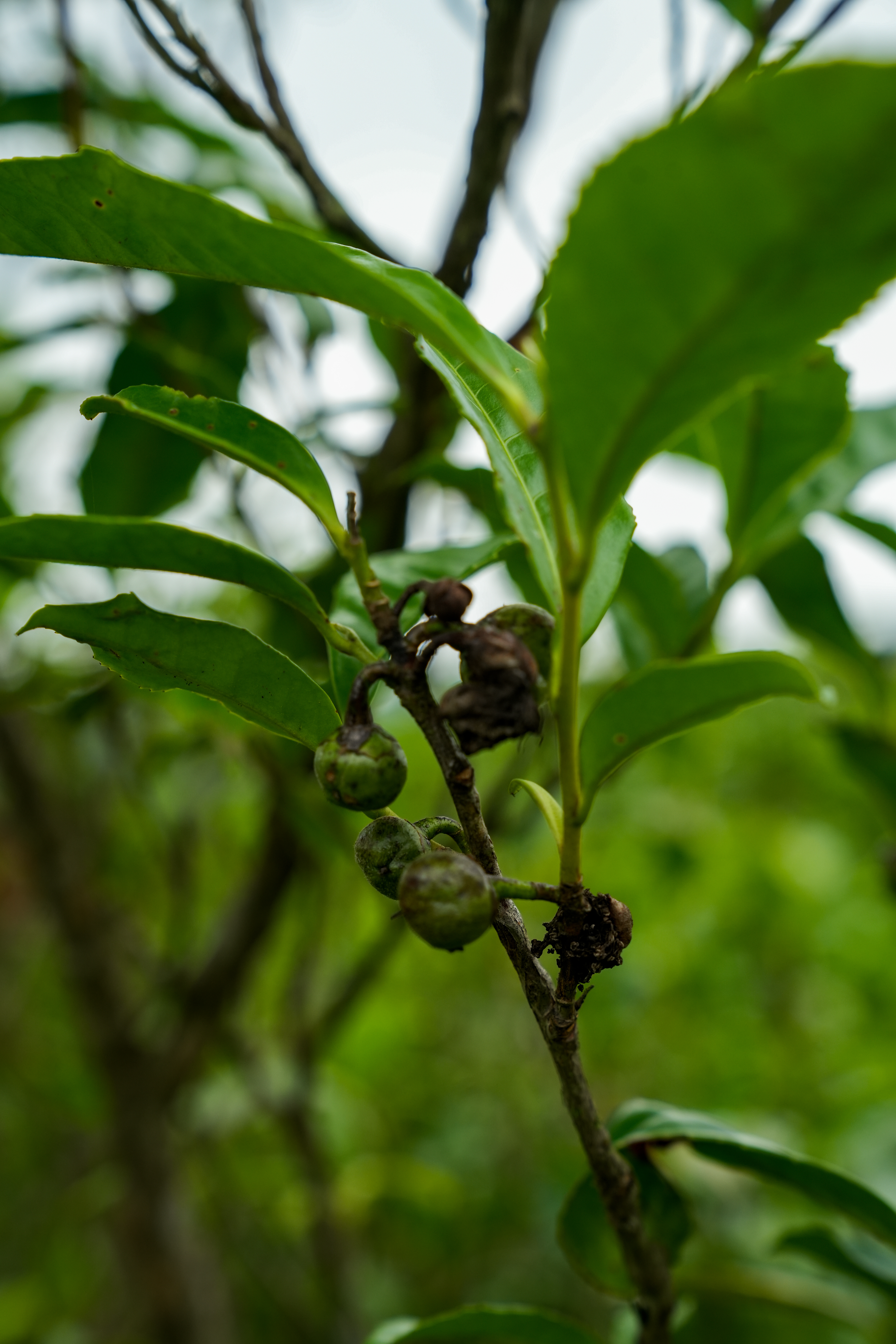
Lan also mentioned how most, if not all of the Fujianese plants are the result of seedling propagations, meaning they are very similar to one another genetically. This is apparent in their morphology as well, from leaf shape similarity to color, the organic tea gardens are of a kind. Lan’s garden on the other hand is completely seed propagated. The trees exhibit strong differences from plant to plant, tree and leaf size, color, growing patterns. As we descended, Lan described how seed propagations are inherently more capable plants, “My plants are able to reach deeper into the earth than seedling propagations also, when you plant from seed, they plant develops tap roots and can pull more nutrients from the soil.”
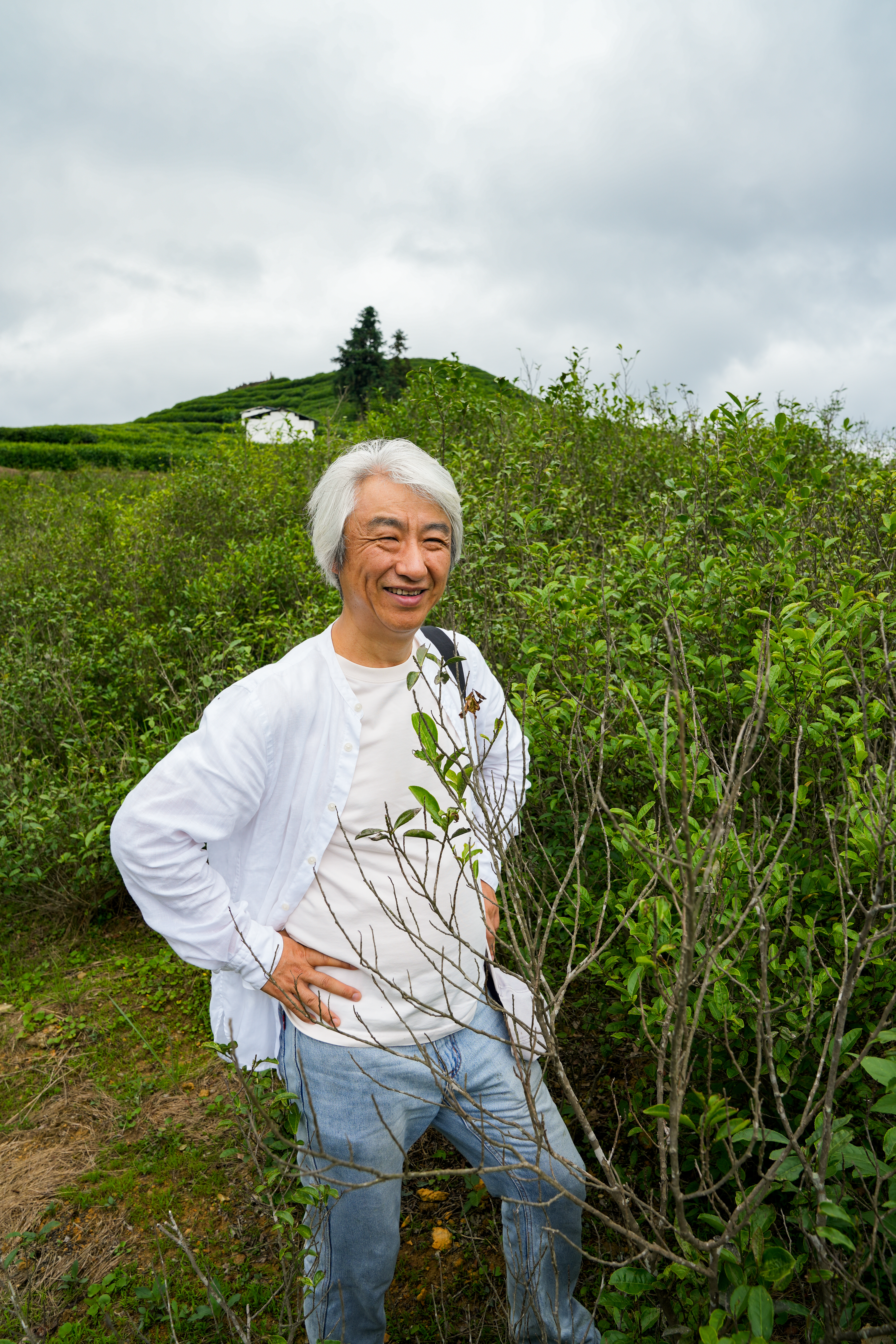
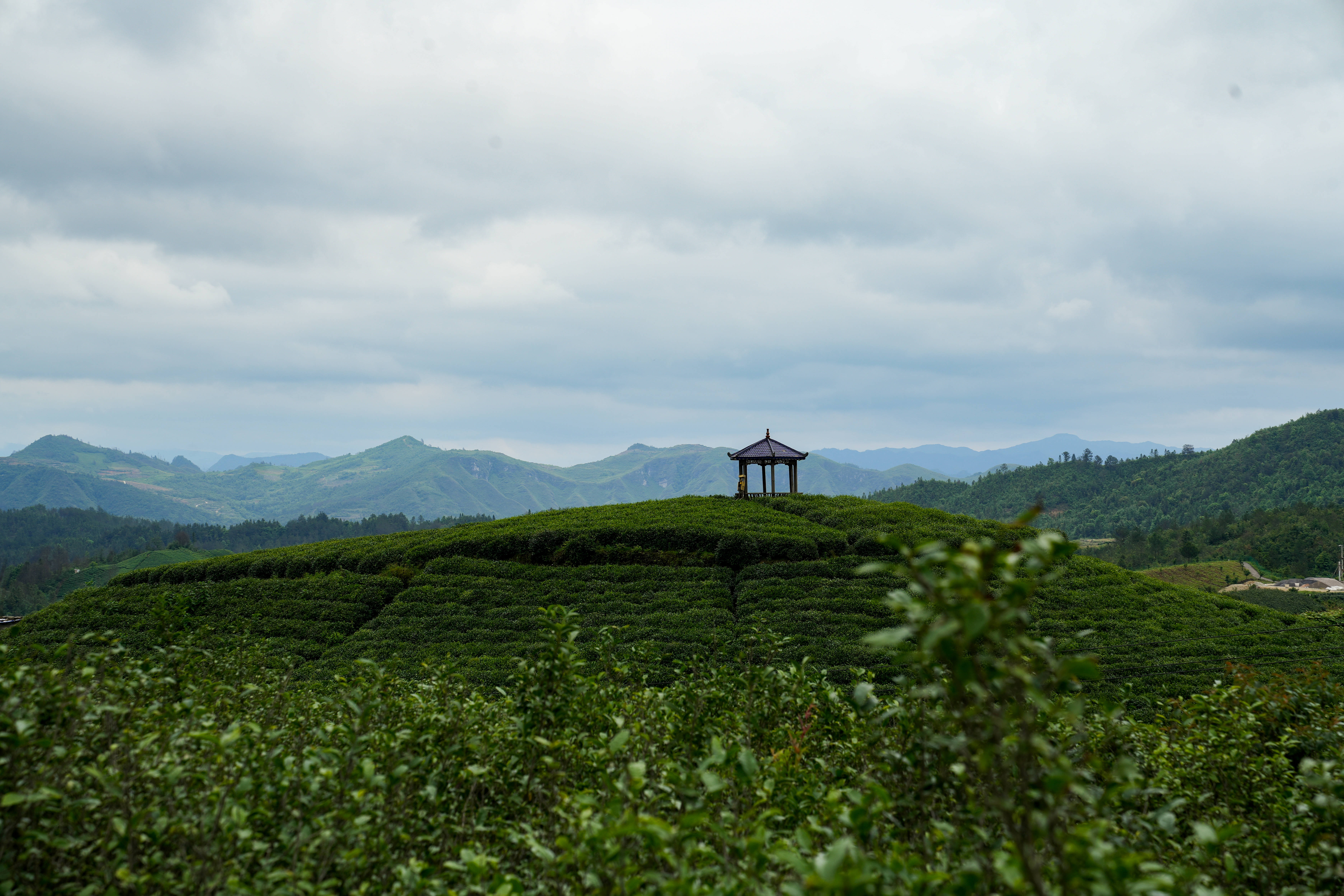
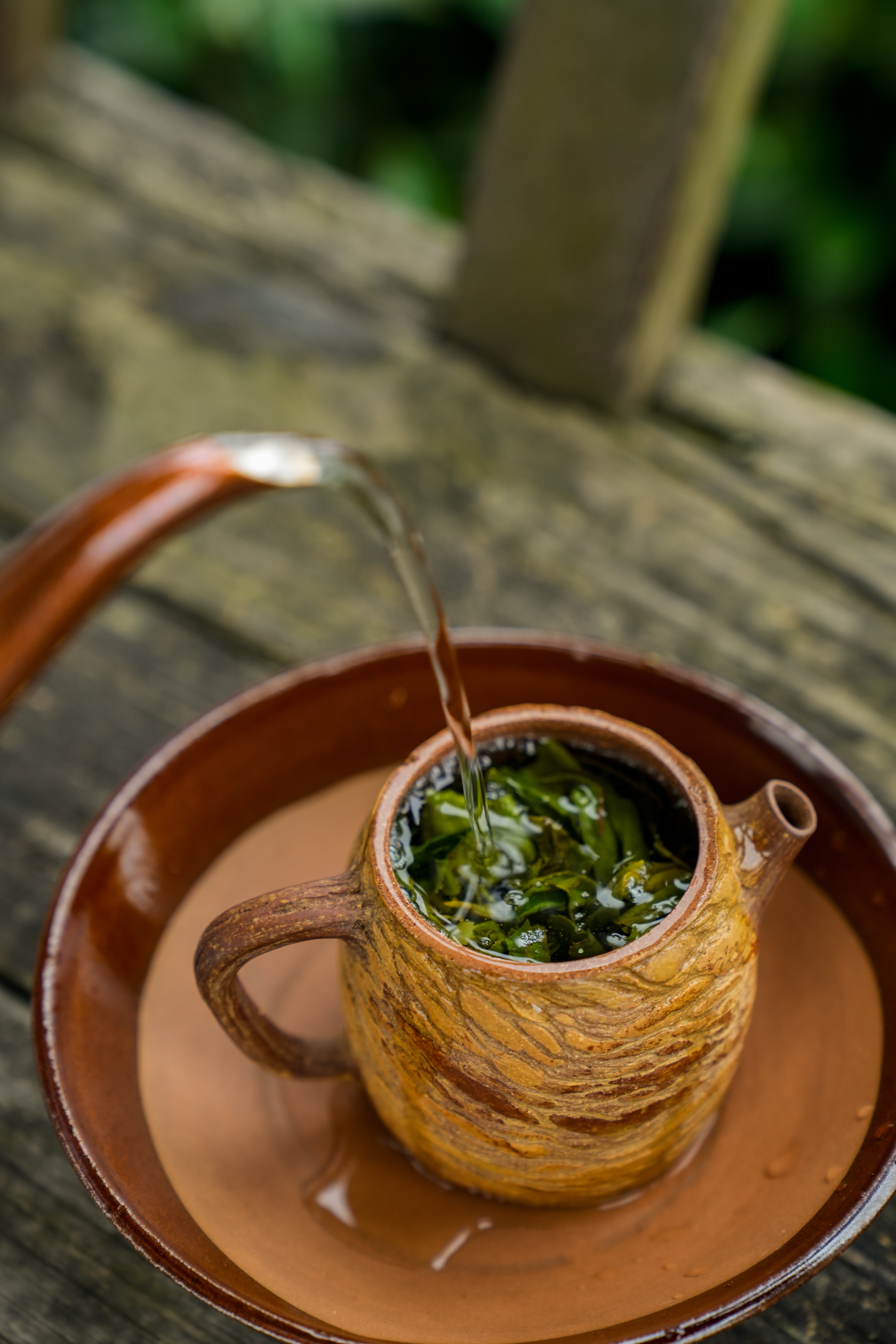
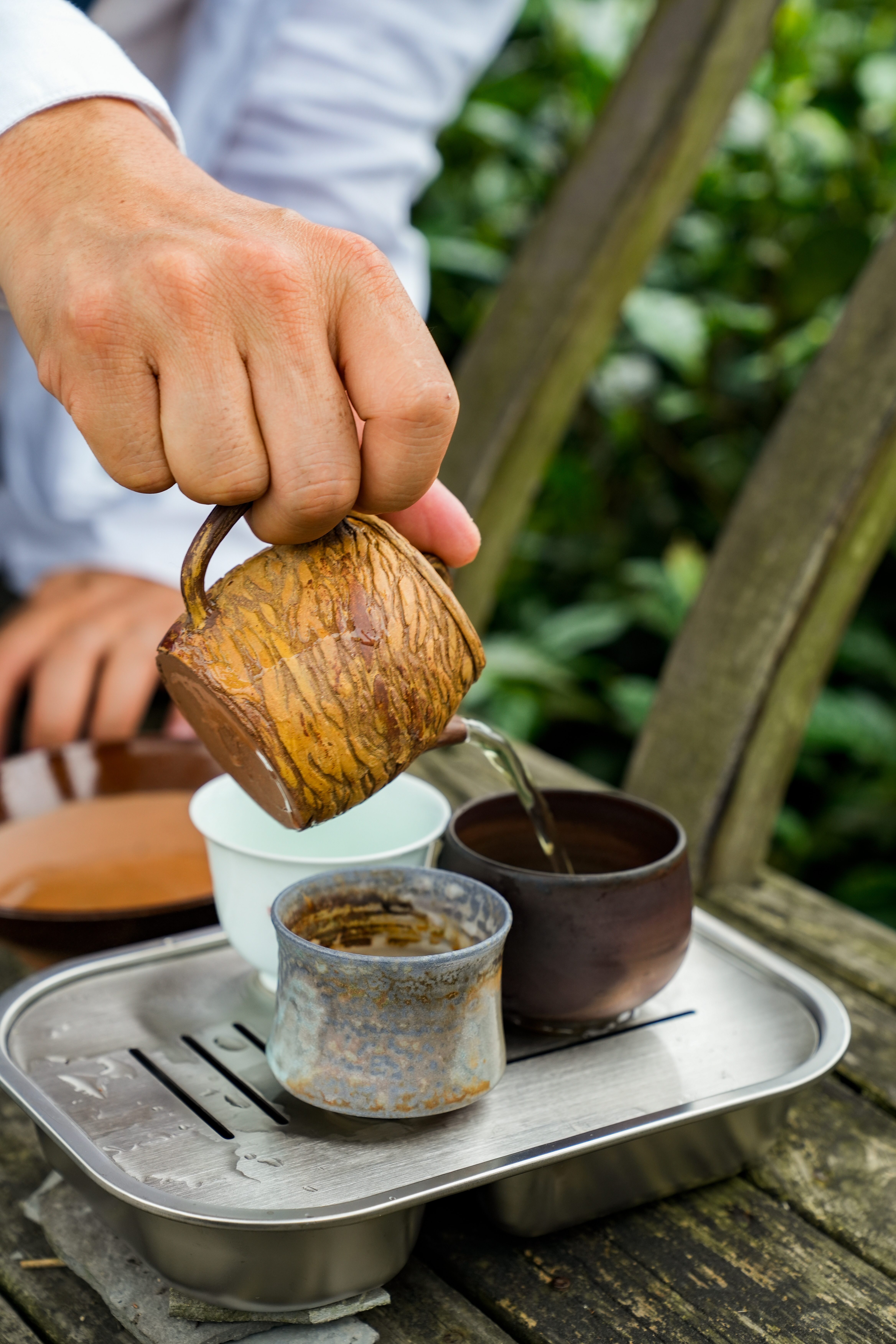
We went over to a pavilion in the adjacent tea garden to have tea then. Lan made us a pot of Bright Way, tea from the wildcrafted patch we had just explored, “this tea is that tea!” He exclaimed in good humor. Next we sipped a bit of Violet Crown and I decided to ask Lan more about himself and his tea origins:
Slow Hand: Where did you learn what you know about tea?”
Lan: “I learned from many sources. Fujian, Anhui, Yunnan, many of my ideas come from Chinese medicine, some from Daoist teachers. Perhaps the most valuable lesson I learned from these teachers was to respect nature. Nature can healthy or unhealthy for humans, therefore we should find and adopt what is healthy and reject what is unhealthy.”
Slow Hand: “Why did you start selling tea?”
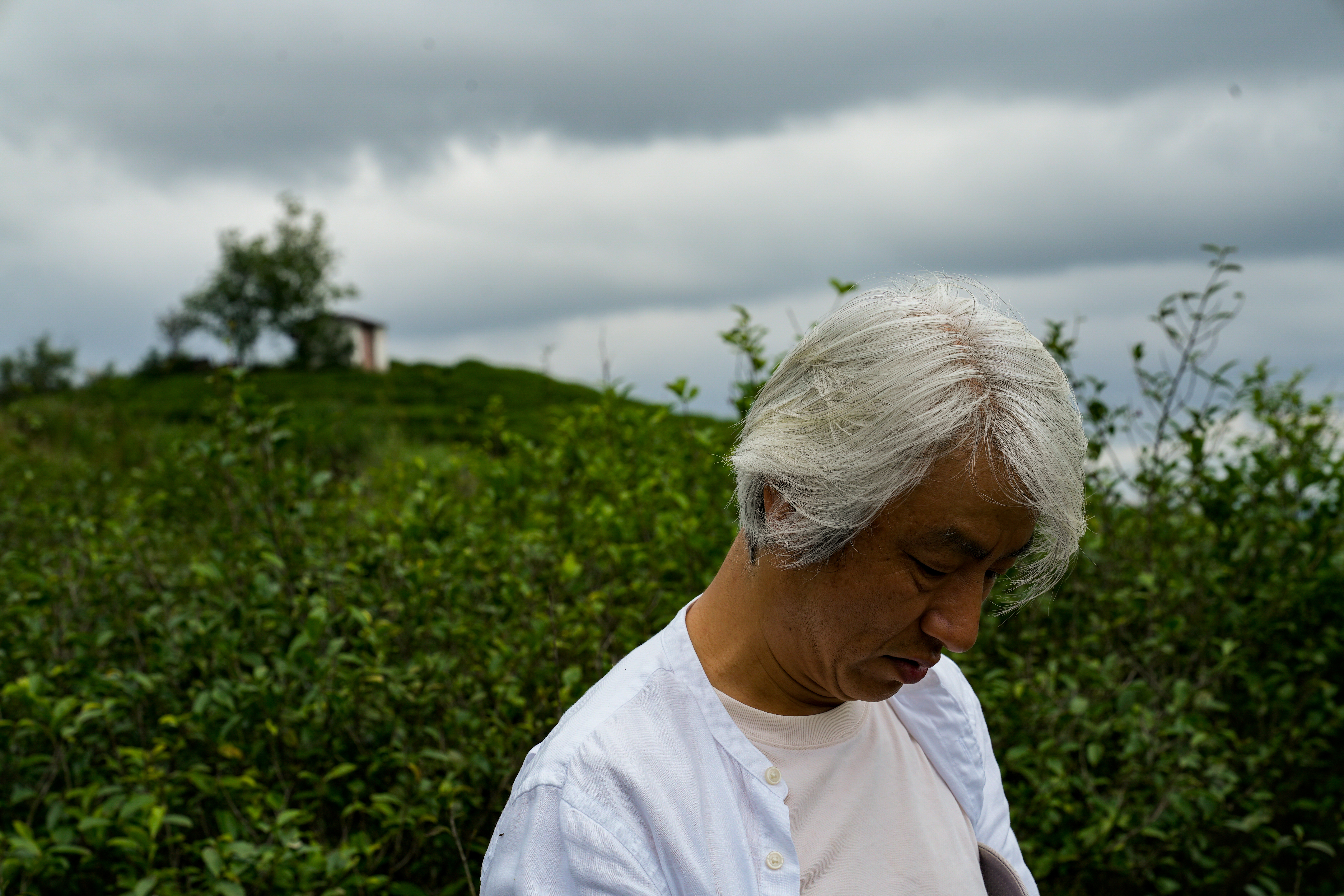
Lan: “I dropped out of school at 16 or 17. Desperate, I started selling tea at one yuan per cup. At that time I couldn’t describe what I did or did not like in tea because I knew absolutely nothing about it. Eventually I began to teach myself out of a very basic motivation: fear of being cheated… I know it doesn’t sound like anything grand. I only started to like tea after learning about it, and only after studying did I have any right to discuss what I liked.”
Slow Hand: “What are you hoping to accomplish at this point?”
Lan: “Many of my teachers have now passed away, so recently I have started preparing to write a book to record my experiences. Not everyone is as fortunate as I was to have met these teachers scattered across the country. Actually what I hope for most now is to be able to translate my book into other languages using AI. The blended plum blossom red tea was my latest idea and you were among the first to try the finished product. Experimenting and learning from trying things is important to me.”
The Master finished his response with words I still resonate with deeply: “Therefore, I would describe myself as being without school or sect, without teacher or lineage. I take many traditions and Nature as my instructors, thus anyone can teach me many valuable lessons.”
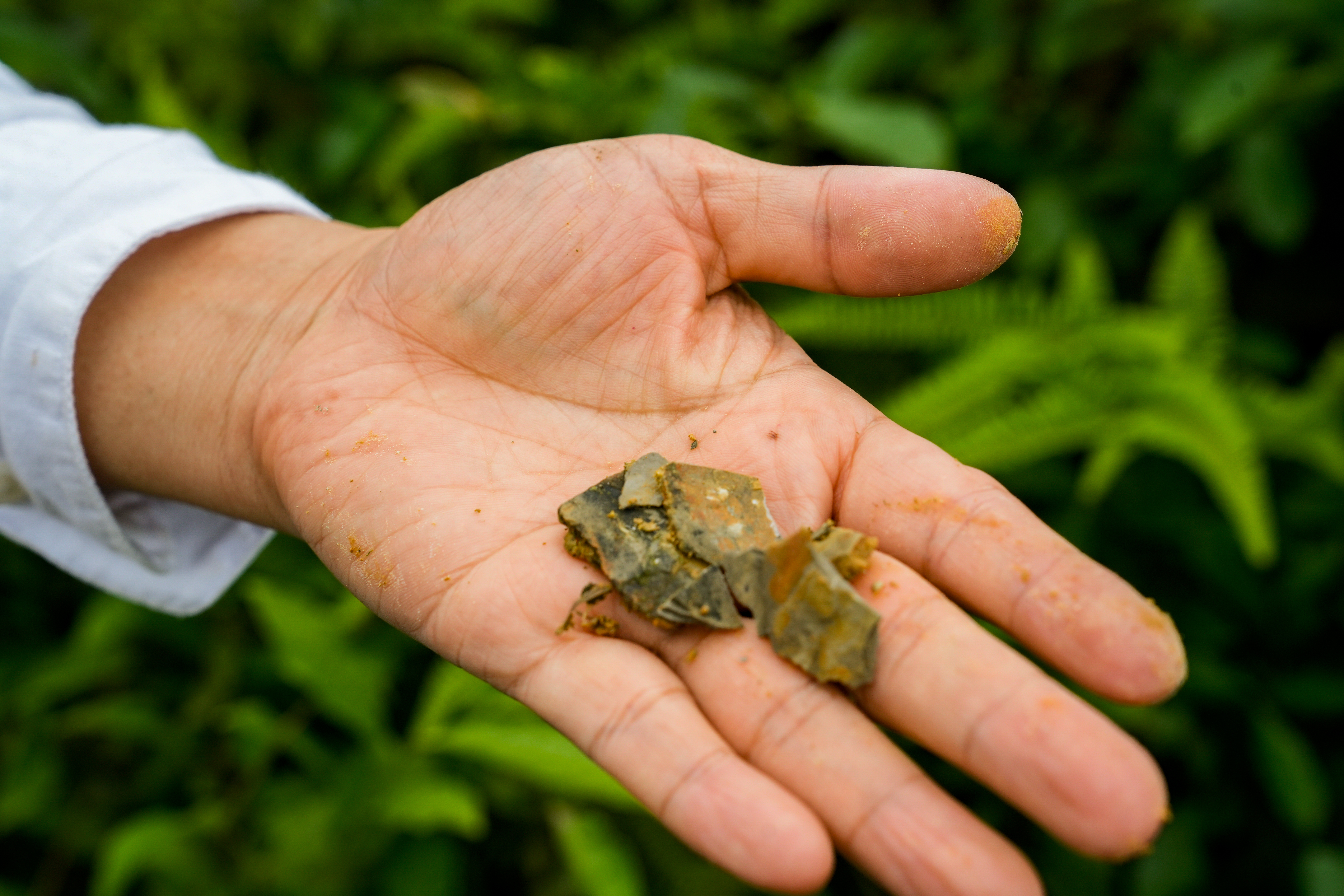
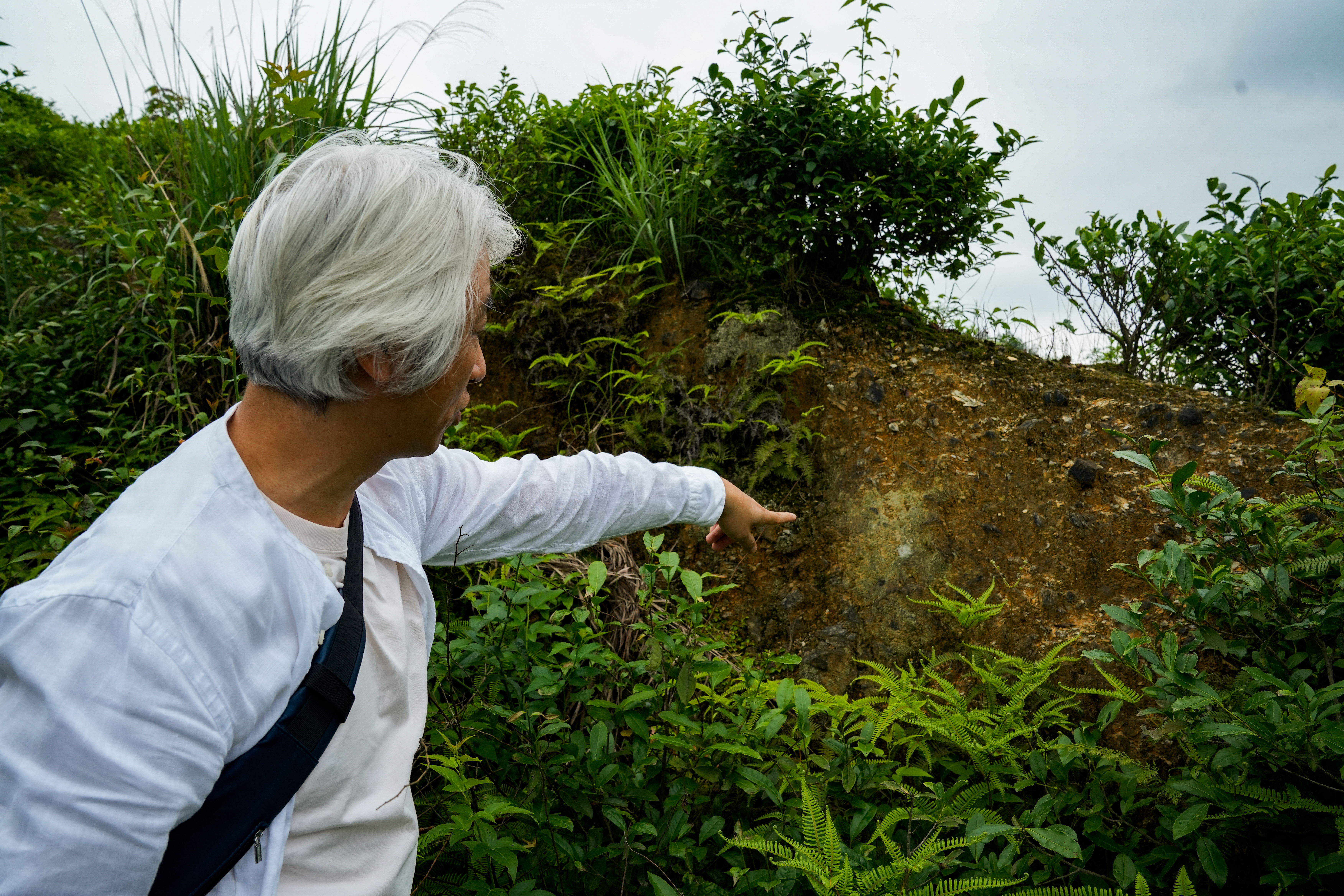
We packed up our tea wares and headed back for the car, picking up the bits of scattered litter around the pavilion. Then we began out descent from the mountain, stopping for just a moment to discuss the soil quality, and Lan repeated a refrain I have heard many times in my tea travels: “when the soils carry only solid green or brown clay, the tea will be weak in body and nutrients, when the soils carried weathered stone, the tea has the capacity to be strong and rich”, this he said is why tea from the Wuyi Mountains can be so good!
Lan was kind enough to take an even more scenic route back into Guiyang. We reveled in the cool winds, winding roads, agroforestry, and ancient villages, some abandoned, some with a few elders shuffling about, sparing us glances from time to time. After such an enriching trip, and having learned so much about tea that I have the opportunity to drink regularly, I felt and feel suffused with gratitude for my experience and circumstances.